We Are Everywhere (And We Are Finding Each Other)
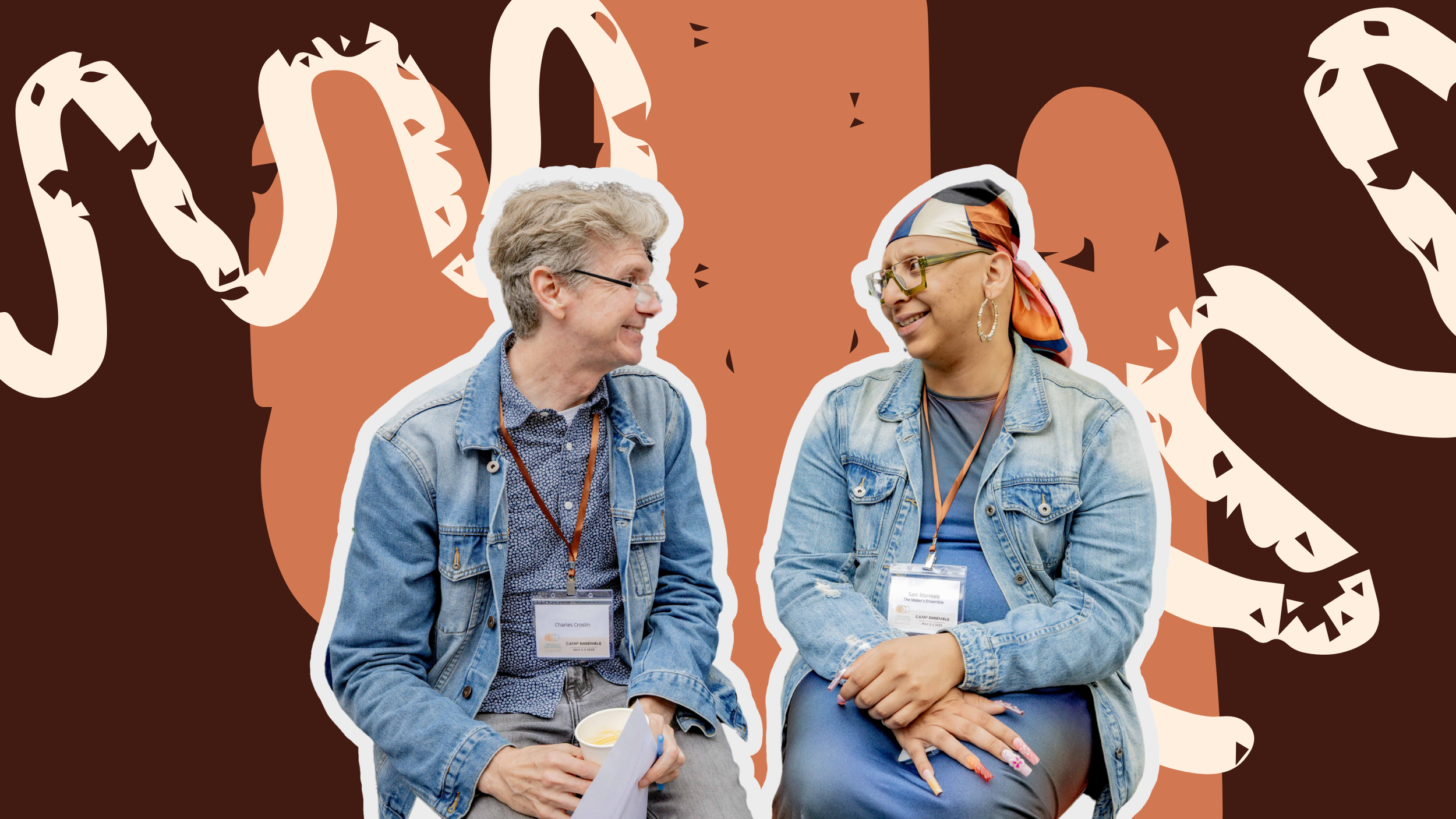
A woman who has been making art in the Tenderloin for 45 years told us last week that she feels like she executed the vanishing of herself from her own work.
She wasn't saying it with regret. She was describing what it actually feels like to build something so rooted in community, so relational, so durational, that the act of transitioning out of it, even thoughtfully, even over years, still feels like losing your own wisdom bank.
She and her collaborators have spent a decade articulating an emergent methodology from their ensemble: relational, durational, conversational, structural. Not words they started with. Words that emerged from the practice. From 45 years of being in a neighborhood, making art that insists on not being called low art, building relationships that are the work and the art simultaneously. She said the philanthropy landscape works against everything they do. Works toward extraction. Inauthenticity. She knows we know what she means.
Her younger collaborator got emotional. She said: "I want to start a family. I'm at a place in my life where I want to do X, Y, and Z, and I don't know if I can do it while doing this work." People in her generation are making hard choices and turning away. She doesn't have answers. She can't say “here's the magic.”
That's a hard place to be in. One I am sure many of you have or are currently contending with.
And.
It's the reason we were in the Bay Area last week.
We are investigating through all of our programs and pilots:
How do you scale something rooted in intimacy?
How do you make sure that 45 years of practice doesn't vanish when the person who held it steps back? How do you build something underneath artists so the next generation doesn't have to choose between the work and a life?
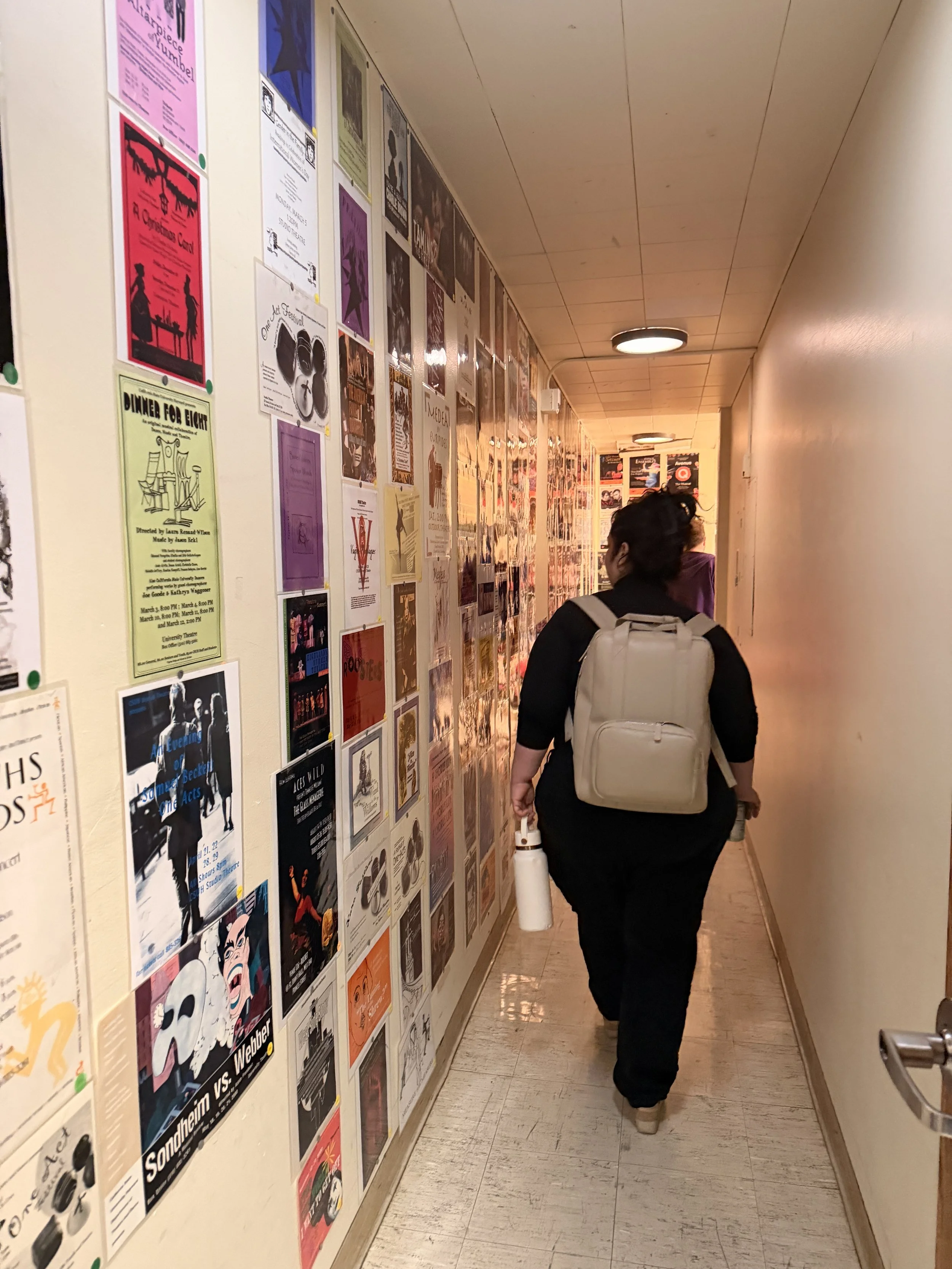
These questions and more are the disruptions and pilots we are trying to build towards and for. This fall, we're bringing 75+ ensemble practitioners together in the Bay Area for NETRoots, a four-day gathering to document the methodologies they've inherited, the ones they currently carry, and the ones still emerging. We were there last week scouting sites, walking studios, sitting across tables from the people who will be in that room. And in every conversation leading up to this trip, the same question kept surfacing from different directions.
A poet and theater-maker in San Francisco told us about the grassroots ensemble culture living “below” the regional theaters but shouldn’t: domestic workers building performance, farm workers building dance, immigrants building teatro comunitario. "Ensembles at a very grassroots level," he said. “Healthy work at the lower economic range of theater. Active in democracy projects and working class struggles.” None of them connected to each other.
It also shows up in our other work when a community organizer in New York read our blog about the federation and reached out because she saw herself in it. She told us her organization calls itself a community organizer, not a service org, because the language signals how people need to meet each other in the moment. She said the only way this can happen is through our networks, not just programs, but the food we're having and sitting together in the room.
I am stuck sitting with what a tactical performance artist in Berkeley told us. He puts rhinestones on gas masks and makes protest theater with farm workers. He said the main thing right now is dealing with collective depression and overwhelm. And then we said to each other:
"We are everywhere."
And, we really are everywhere. And we keep finding each other.
What's missing isn't the practice. The practice is everywhere. What's missing is the connective tissue. The material support. The ability to stay long enough to build something worth passing on.
On the ground in the Bay Area, we saw it up close. Organizations in the same city carrying overlapping missions who've never shared a room. The disconnection is real. And so is the hunger to change it. One group really resonated when we talked about how NETRoots is built to take on collective grief as a necessary and generative thing.
How do we design a network, a field, and organizations that don’t require the people who hold it to vanish themselves to keep it alive?
We're building toward the answer.
In the practice of us,
Alex