I Am From The 1900's
April 16th, 2026 | By Alexandra Meda
What six women directors leaders, and makers put on the record in Chicago on March 28.
Carmen Morgan | Photos by Joe Mazza
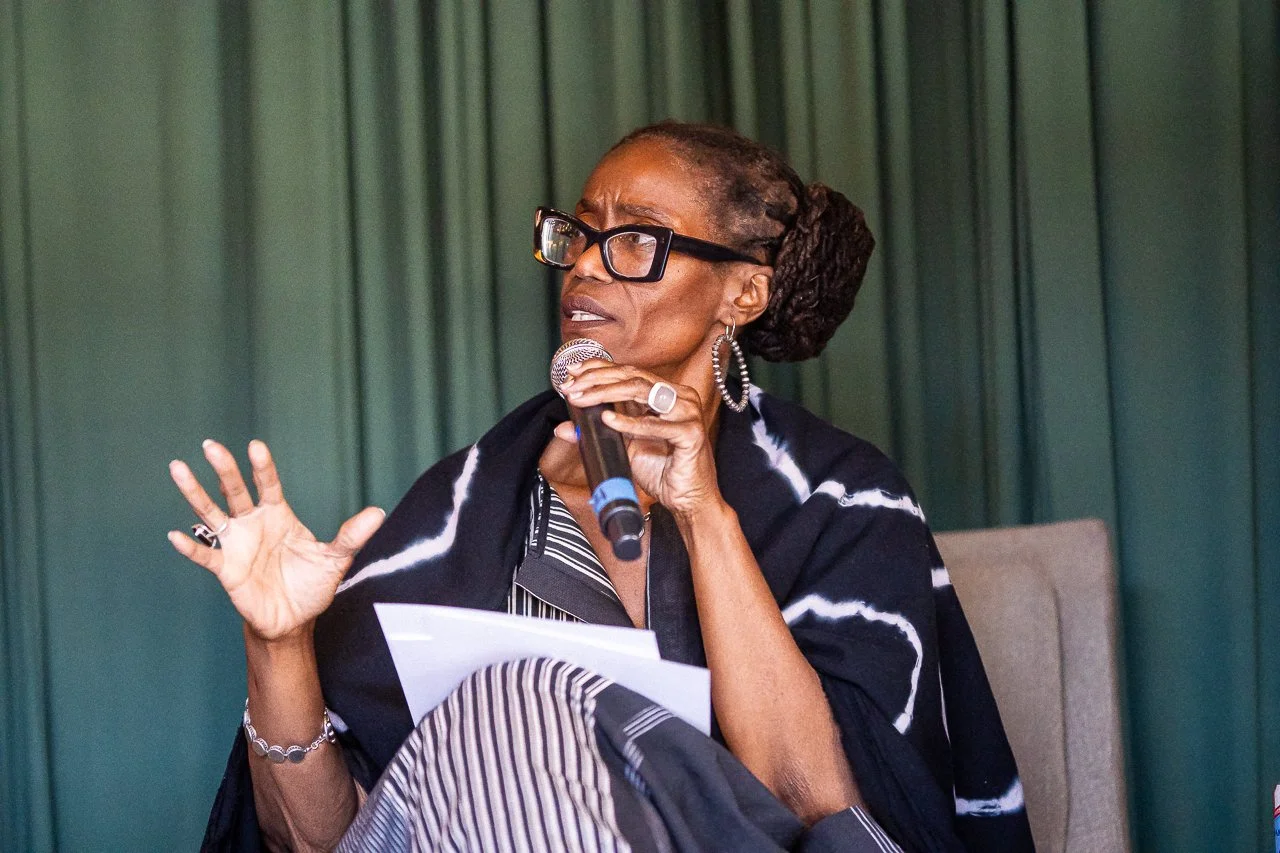
The mic moved around the circle and by the time it came back to Carmen Morgan she was crying. Not the polite tear that gets blinked away. The full thing. She set the mic down, gathered herself, and named what had just happened in front of a room that was already changed by it.
"This practice that was just made public is what happens all the time with Black women, for Black women. What others won't give us, we give to each other and fill each other up."
I want to start here, with six women on Saturday afternoon in Chicago handing each other a microphone and refusing to perform anything for the room.
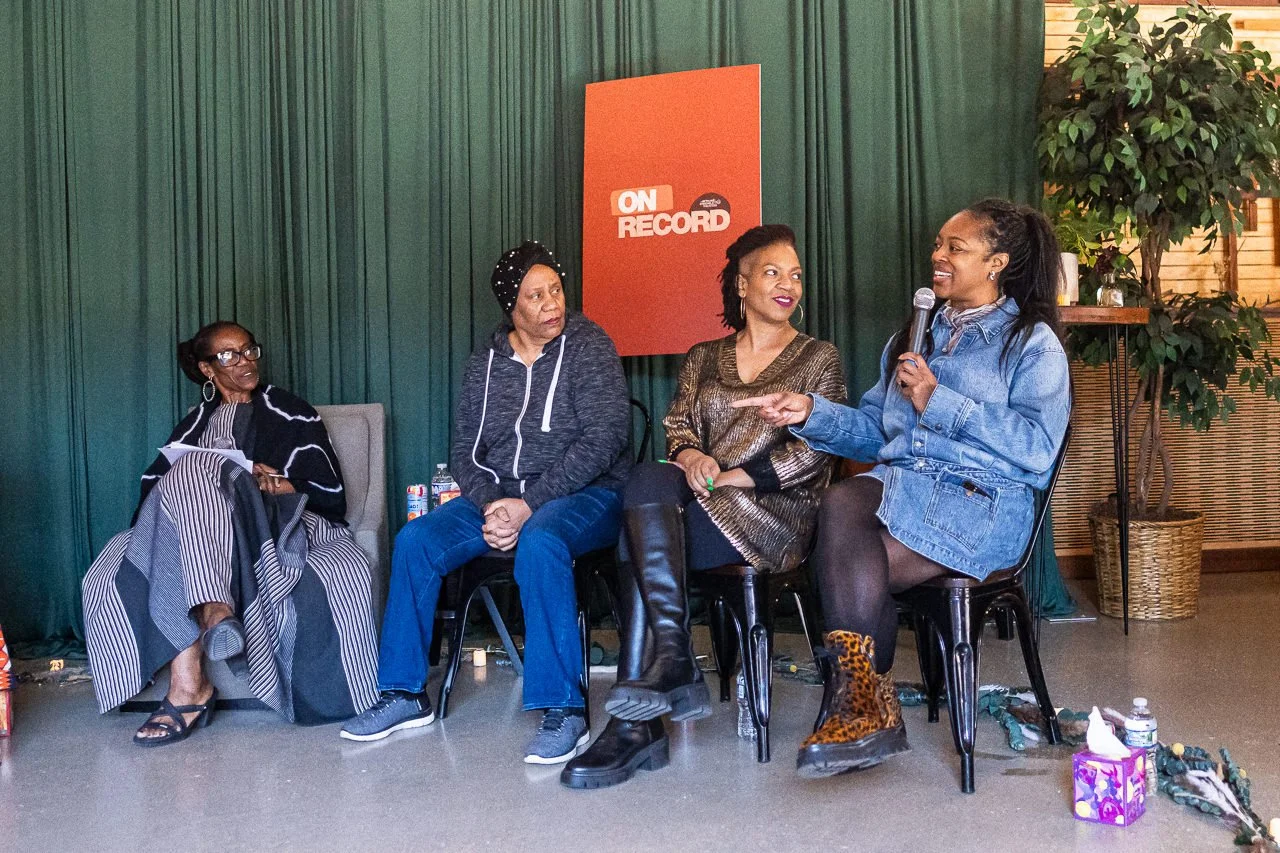
What followed was two hours that the field will need a long time to metabolize. On Record | Chicago, livestreamed by HowlRound and now permanently archived, gathered Jackie Taylor, Lili-Anne Brown, J. Nicole Brooks, Ericka Ratcliff, Roxanna Conner, and Miranda Gonzalez at The Guild Row. Carmen, executive director of artEquity, held the room. Nathalie Thomas opened it.
The premise was the simplest possible question: what do you want on the record?
They answered deeply:
The data the field uses to describe who has been leading American theater is wrong. The pipeline the field claims is broken has been functioning quietly and at scale for decades, just not through the channels that would have made it visible. The women the field keeps calling emerging in 2026 have been here since the 1900's. Miranda said it and the room laughed before it cried, because every woman in the circle and most of the ones watching had been called emerging for twenty years, for thirty, for some of them their entire careers.
So let me ask the question this gathering forces. What do we do with a field whose official record has been wrong for fifty years?
Jackie Taylor | Photos by Joe Mazza
The infrastructure that does not appear on the 990
Lili-Anne Brown gave the thesis early and she gave it in a sentence so precise it should be quoted in every funder briefing about Black-led work for the next decade.
"I have been slowly and silently creating a cultural shift. To actually believe I can change the world, I have to shift the culture. For the nerds, it looks like the Avengers but I'm trying to create SHIELD. A silent network that takes over."
The principle underneath? Real G's move in silence.
She built the network the field refused to build for her. No mentors when she came up. No fellowships she could apply to. No one explaining what an observership was. So once she had anything of value she started, in her words, "grabbing up anybody who looks like me." She has not sought to accredit it. She has not sought to fund it. "I feel like that is when stuff gets ruined."
Hold that for a second.
Carmen Morgan, Jackie Taylor, Lilli Anne Brown, Ericka Ratcliff | Photos By Joe Mazza
What Lili-Anne is describing is infrastructure. Real infrastructure. The mentorship program, the casting solidarity network, the emergency capital fund, the show-up culture, the creative protection apparatus, and the archival practice that the field's official structures have been failing to operate for half a century. Built and maintained by Black women, in silence, on top of careers that should have been more than enough to fill anyone's hours.
This is the part the field has missed. While funders and service organizations and predominantly white institutions have been asking why the pipeline is broken, the second pipeline has been running parallel the entire time. Quietly. Outside the legible economy. The one that shows up in 990s and Americans for the Arts reports.
This is why the field's data is wrong. The most consequential infrastructure for Black women in American theater is the part the field cannot see, and the women who built it have decided silence is what protects it.
The text thread
Carmen pulled at the corner of this and the whole architecture came apart in the open. She asked about the text thread the panelists kept referencing in our prep calls. What is on it? What will you share? Can I get an invite?
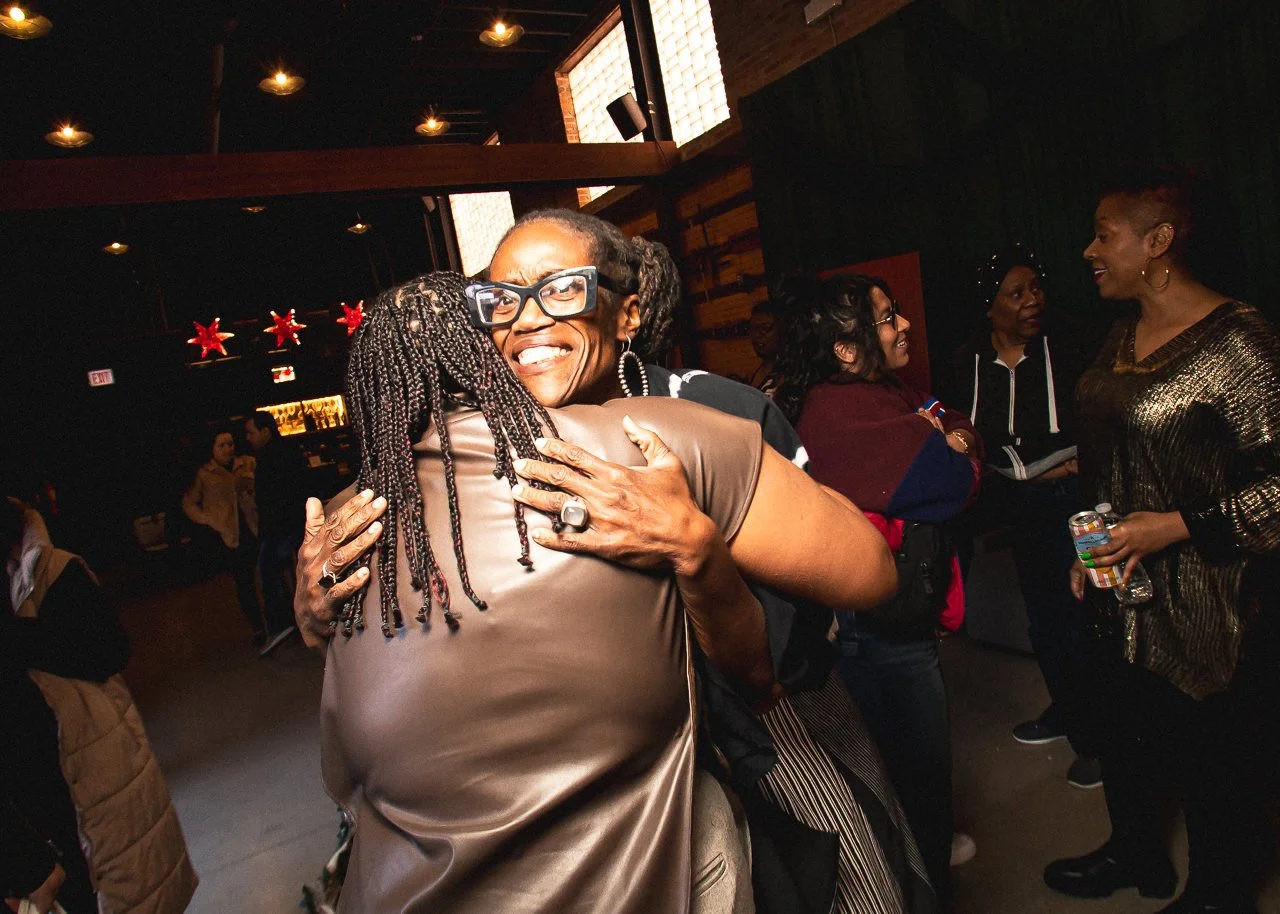
Carmen Morgan, Nathalie Thomas | Photos By Joe Mazza
Brooks made the cut first. "The things I want as a Black woman are not necessarily theater things." The thread is where personhood lives when the industry only wants the professional.
Ericka named the Chicago version. "We would come out of an audition and say, don't miss out on that one. Wink at that one. If I don't get it, you get it."
Lili-Anne stretched it wider. "Can you pull up. Can you support this. Can you write a recommendation. Can you come over, I want to hang out. That is a balm constantly."
Read those three back to back and notice what they are. They are casting decisions, capital flow, professional reference, and emotional repair, all moving outside any institutional channel. Ensemble practice without a rehearsal schedule. The thread is the workplace. The thread is the archive. The thread is the union that the union has never built for them.
Roxanna Conner, who runs the school of theatre and dance at Northern Illinois University, named the part you only know if you have lived it. "I have to say this out loud because I have been in circles where it is not supported by Black women. The trust, for me, is something that I don't have in the same way in other circles. I really don't. I live at the intersection. Black women culture is just, we don't gotta say much. It is, I've got you. Understood. And then we move on."
Then Miranda located what makes the thread possible at all. "I don't see ego. When we worked together recently I was like, why is this so easy? Sometimes we are in spaces and I go, why am I proving myself or pulling out my resume? I've gotten better at learning to say, I feel like I've proved myself in this room, I don’t have to lead with my resume. I'm not going to play into it but I also need to name it."
That is the discipline underneath the love. The thread does not work because everyone is naturally generous. It works because they have decided, repeatedly, to put down a survival posture they had to develop in every other room and practice trust on purpose.
Ericka brought the same posture into the conversation about who gets to be trusted at all. "I think we lean on each other because we know we can't trust anybody else. There is an understanding in who we are and how we look at the world that nobody else understands. We have seen historically that women, white women in particular, jump on our backs to get what they want and then leave us behind. So we form these cohorts of family because we know we can trust one another."
Ericka takes that same principle into formal leadership. "Me being in leadership now is about, I get to look out for who did not look out for me."
Roxanna runs the institutional version of that practice every day inside a system that was not built for it. She is the only Black faculty member in her theater department. "Black women still are not mentored. Young Black artists who are women in academia are still not mentored. They are not given what they need. That is what I find myself doing. My office is always open. Do you have some chips? Yes, I have some chips. The chips turn into a bigger conversation. I heard this about your class. What is going on? They know they have someone, rather than letting them just flail in a predominantly white institution where they are a number. As long as the university is getting tuition, it is all right."
Then she pulls her friends in. "I find myself thinking, come direct the show. Who can come speak to these students? They do not have that exposure either."
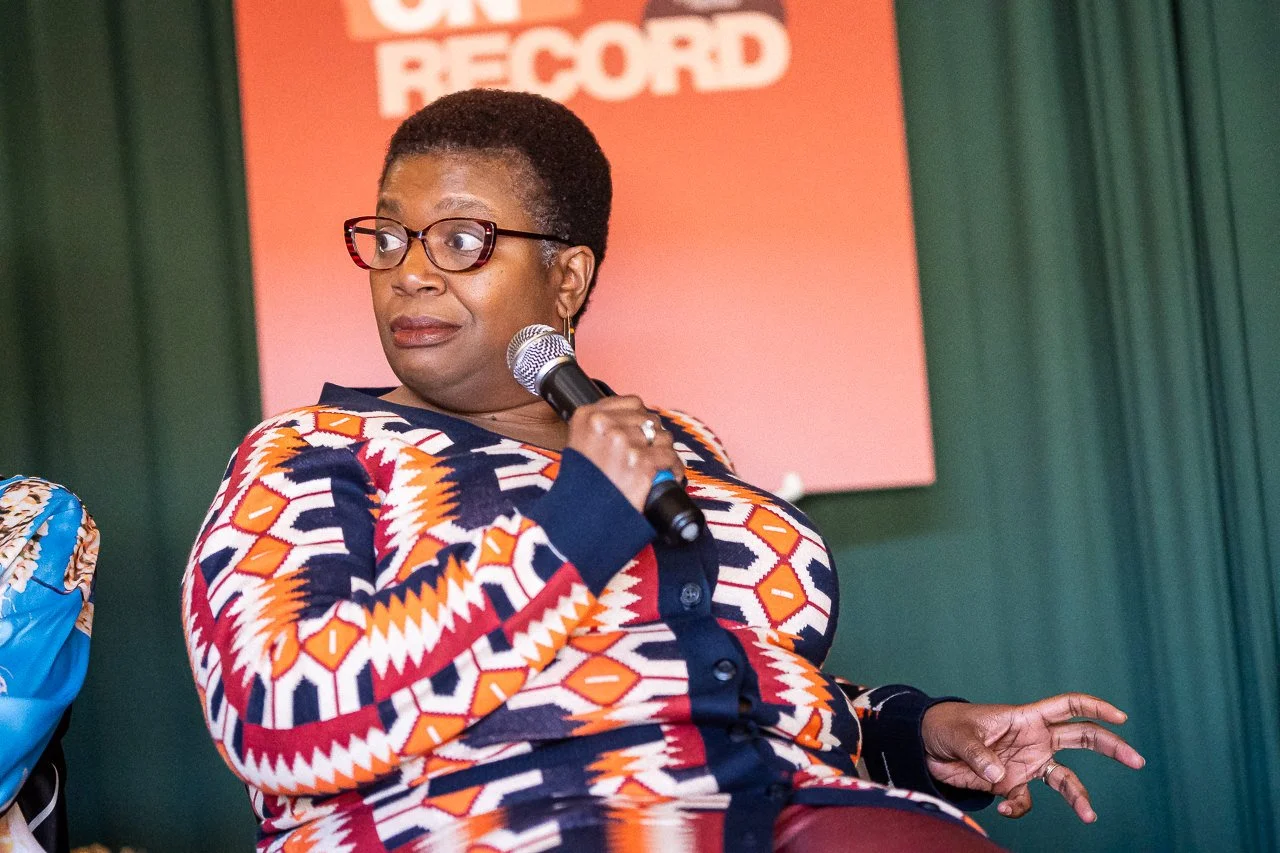
Roxanna Conner | Photos by Joe Mazza
Hold the picture. One Black faculty member, alone in a theater department, running an unfunded mentorship operation out of a snack drawer, while also pulling in the field's most accomplished Black women directors to build something the institution itself was supposed to build. That is not generosity. That is a parallel curriculum, and the university is not paying for it.
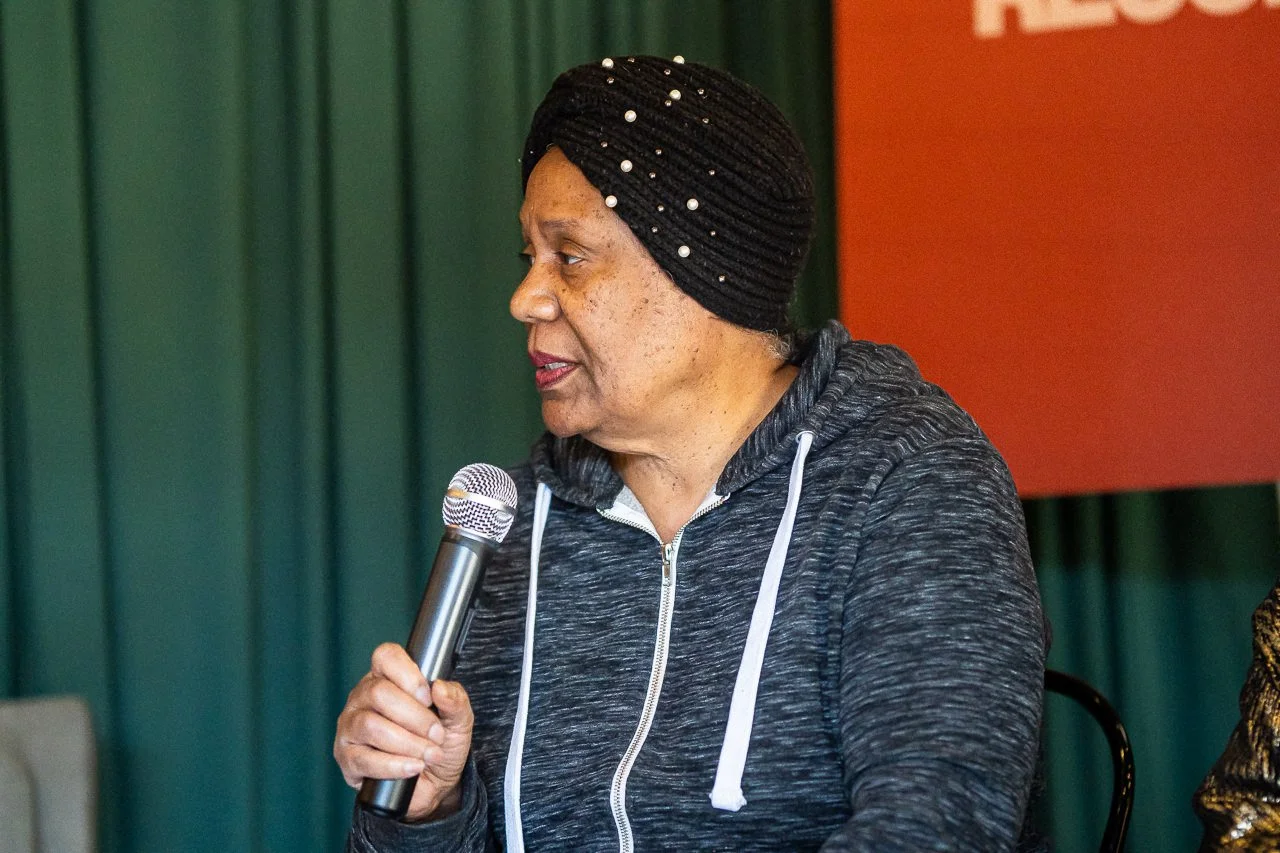
Jackie Taylor has been the formalized version of this practice for fifty years. Carmen named it directly into the room. The 50th year of Black Ensemble Theater, the 300 percent funding gap between Black-led and white-led institutions, documented by every recent field study. A half century of legacy and gift to the community. She rightly said, “Let that be on the record.”
I want to sit with the math for one more beat. Six women on stage. Combined, they have done 175 years of the work. They have run the mentorship the field claims to want. They have run the casting solidarity the field claims to want. They have run the mutual aid the field claims to want. They have run all of it without a fund, without a foundation initiative, without a single line item in the field's strategic plans.
What does it mean that the practice the field has been begging to find has been operating in plain sight, declined to be discovered, because the women who built it have correctly assessed that the field's discovery, or maybe more precisely, its access to it in order to overtake it, under the guise of funding it, is what would destroy it?
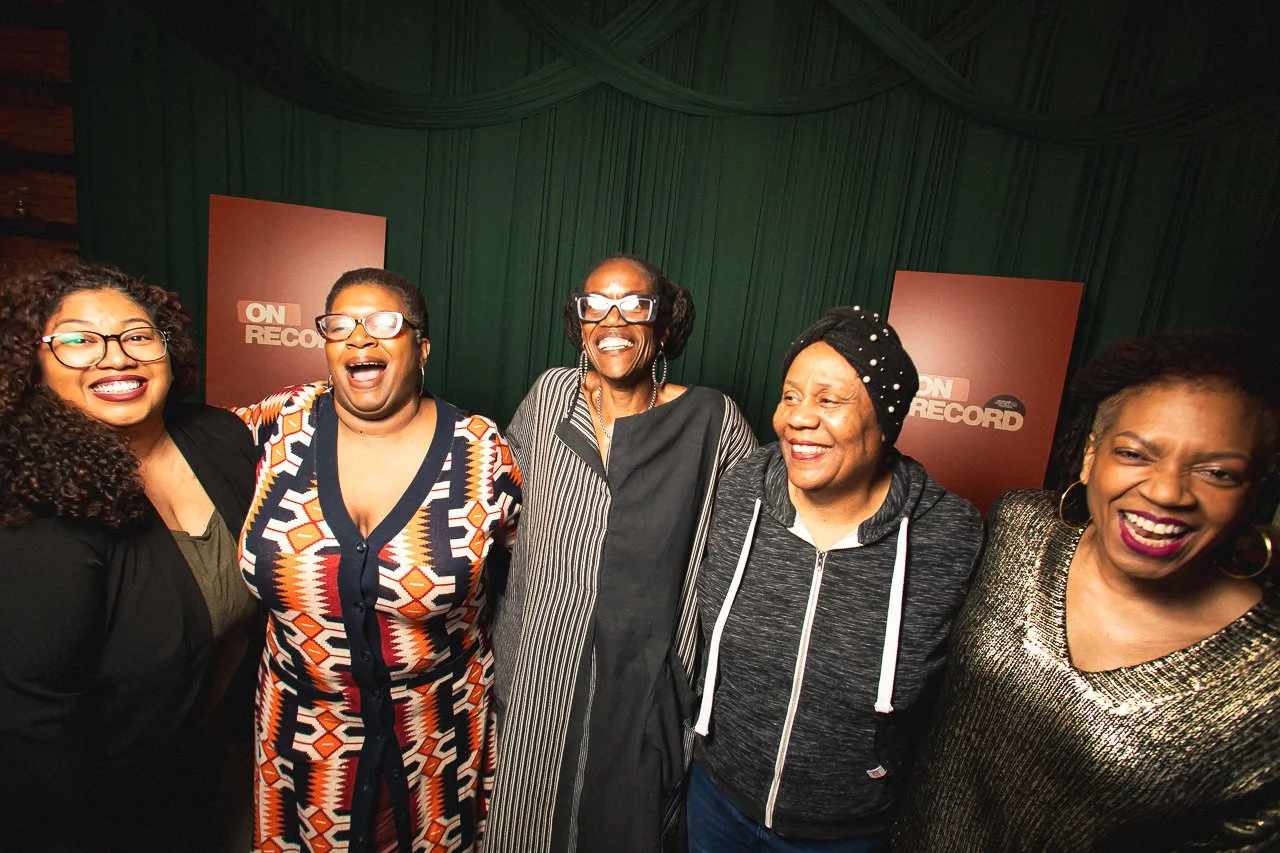
Miranda Gonzalez, Roxanna Conner, Carmen Morgan, Jackie Taylor, Lilli Anne Brown | Photos by Joe Mazza
Why it had to be silent
Lili-Anne told two truths in one breath and the room felt the temperature change.
"American theater has a problem. The system is broken. We saw Black women, whether they were playwrights, managing directors, executive directors, artistic directors, we saw these trees get felled by bullshit."
Then.
"As a Black woman that has already been devalued, to have your personhood devalued and then to be in an art form that is devalued, it is really difficult to feel like what you do is valued."
The first sentence names what the field does to Black women specifically. The second names the field's larger rot. Sitting with both at the same time is what the glass cliff looks like from the inside, and it is also why silence has been the strategy. The formal pipeline is where Black women's work gets stolen, their institutions get felled, and their names get forgotten until the year the field panics and remembers them.
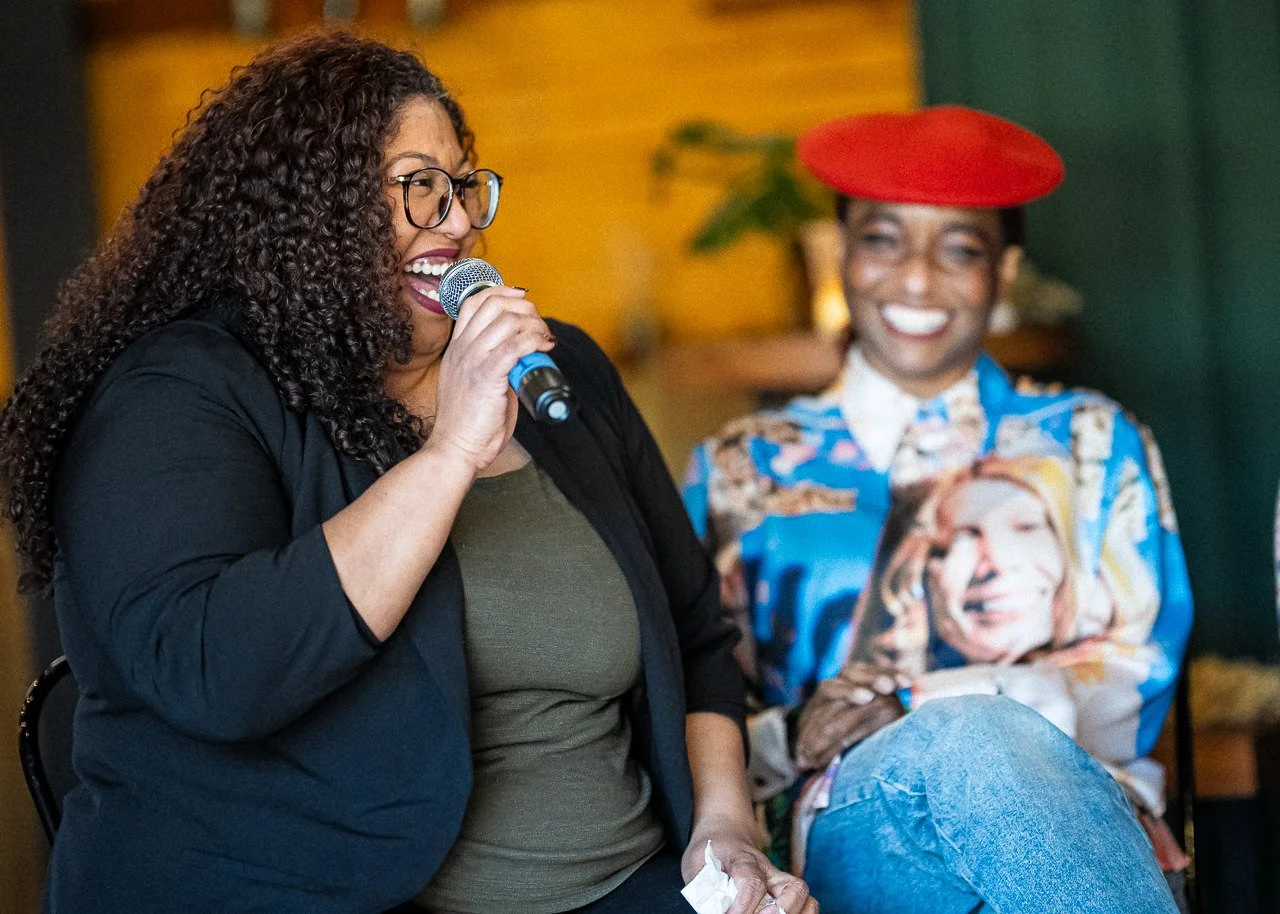
Miranda Gonzalez, J. Nicole Brooks | Photos by Joe Mazza
Miranda landed the generational version of this and the line she landed it on is the title of this piece.
"Our generation was literally skipped over. The generation before us sacrificed themselves. They put themselves on the front line to build the things they wanted to build. We came in and we were like, OK great, there is double now. And then all of a sudden, I am by myself. I am siloed."
Then she went to American Theater magazine, which is a brave thing to do out loud.
"You can look at American Theater magazine and see the absence through the last 30 years of their magazines. I look at it and I ask myself, Where are my friends? Are my friends in there?"
Then.
"No one called me as much as they called me in 2020. No one. I have been in this for over twenty years. Then they are like, somebody gave me your name. I have openly been like, I am not emerging. I have been here. I am from the 1900's."
Brooks landed inside the same grief and named it as grief. "It does feel like the nothing came." She was joking. She was not joking.
Here is what I think the field has not yet metabolized about that line. Calling a 20 year director emerging is not a compliment delayed. It is a confession that the field never built the muscle to see her in the first place. The 2020 phone calls were not a reckoning. They were a record of what was already gone and who had been holding the place together while the field looked elsewhere.
If you are a funder reading this, the question is not how to find the next generation of Black women leaders. They have been here. The question is what you have built that was capable of seeing them when they were 27 instead of 47. And whether the thing you built is still functioning that way today.
Un-precious as a discipline
The habits required to keep building under these conditions are not optional. They are not personality traits. They are practiced muscle. Lili-Anne named the discipline plainly and her language for it should enter every directing curriculum in the country.
"When you come from storefront in a cornfield, you learn to be ready with Plan A through Q. I am very un-precious. I have never been able to afford preciousness and I am disinterested in preciousness. As Black women, generationally, we had all of our work stolen many a time. You learn to have another idea ready. Always."
Read that as craft and you will hear a director describing a process. Read it as field analysis and you will hear an entire economic history. Both readings are correct and they live in the same sentence.
When an audience member asked about pushback, Jackie answered before the question landed. "When you get pushback, you push back. Don't lessen what you believe and how you feel. If that person does not listen, go to somebody else. You have to disrupt. If you don't disrupt, there is no change."
Brooks told the rest of it in a story. She was directing a play about Jackie Robinson breaking the color barrier of Major League Baseball. She built an exterior installation in the lobby with vintage baseball advertisements and segregated entrances, a whites only door and a Blacks only door, the way the country actually was. The executive director asked her to take the signs down because sponsors might be offended by a play about segregation having segregated doors. She took the signs down. She left the rest of the installation up. Every night she walked in and made a public choice about which door to enter through. Patrons came up to her about it.
"The thing they tried to make me not talk about, that is the subject of the play. It came out. The conversation continued. There will always be pushback, so you have to push back. Sometimes you have to let them do it to themselves. And they do."
Notice the maneuver. Comply on the surface. Hold the structure underneath. Trust the work to do the work. This is the sophistication that gets lost when the field describes Black women directors as resilient, which is a word that flattens what is actually happening. They are not resilient. They are running graduate-level strategy under conditions designed to break it.
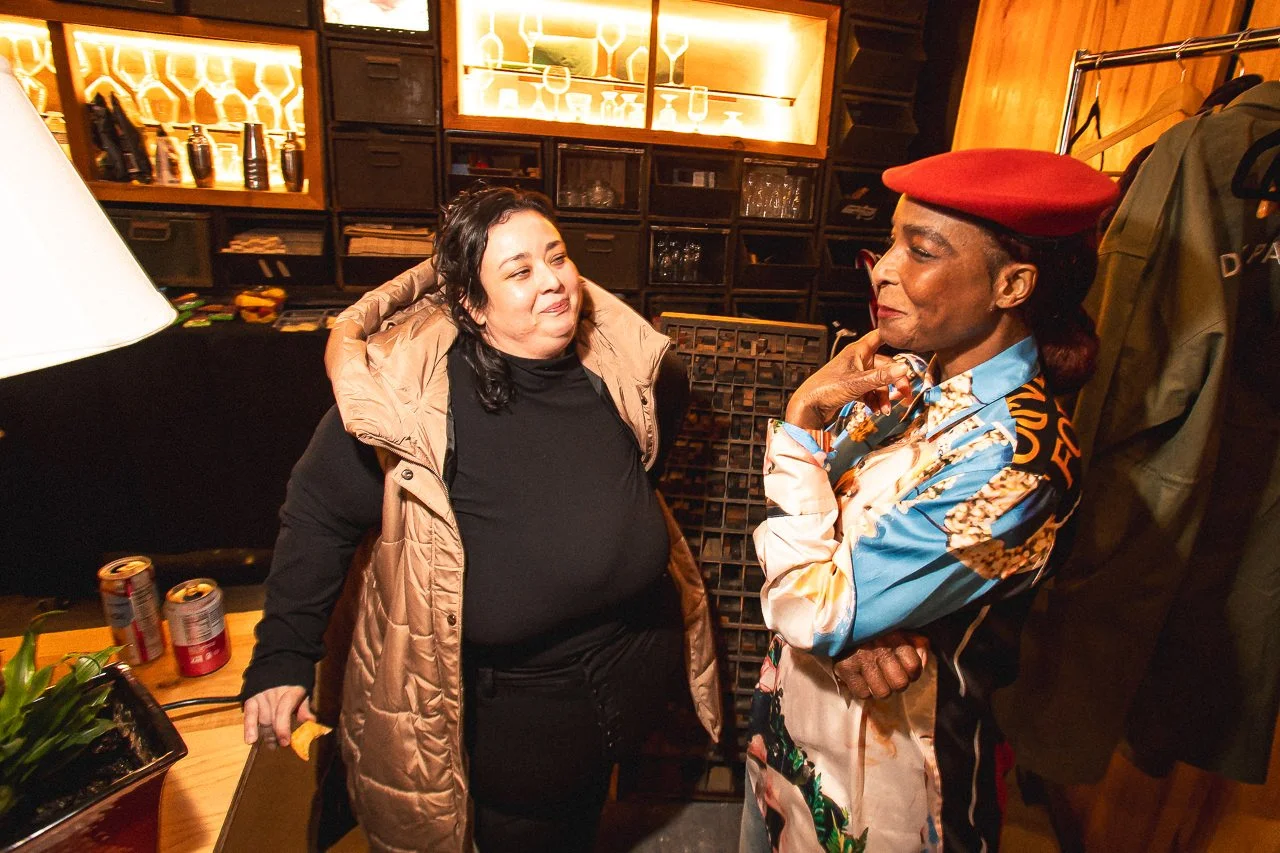
Alexandra Meda, J. Nicole Brooks | Photos By Joe Mazza
What the field owes the record
Someone in the Q&A asked how future generations would remember them. Books. Documentaries. Libraries.
"I guess you all will have to write a book." That was Jackie. Half joke, all truth.
J. Nicole Brooks picked it up. "I truly believe that what we do will be imprinted. Revolution comes from storytelling. Therefore we must win, so we get to tell the story. I want my work to end up in the public libraries."
Lili-Anne. "I want people to come in the room. That is why I always have open rooms. I want somebody to say, I was once in her rehearsal and she said a thing that made everybody feel better. That is how I would like my name to survive."
Miranda was in her body when she answered. She talked about losing Diane Rodriguez in 2020 and being part of the phone tree of women sending voice memos to Diane in her last days. She talked about looking for Diane's speeches everywhere just to be near her again. Then she landed the line that should be carved into the door of every service organization in the country.
"We have to archive, because there will be the next generation out there who will be searching, looking for a connection to the past. Somebody has to figure it out but it is not me. I am busy."
The archive is not theirs to build. They have been building the work. The field has to build the record.
This is one of the structural failures On Record exists to address. The story of American theater has been written by people who were not in these rooms, about institutions these women were systematically excluded from, while the actual practitioners who held the field together were occupied holding it together. A field that lets its own founders go undocumented is not a field. It is a publicity operation.
On Record | Chicago is one piece of that record. There need to be a hundred more.
The ask is a budget. The ask is a policy agenda.
Carmen closed the circle by asking what each of them needs to keep doing the work. The answers were specific because she asked them to be specific.
Miranda. "Somebody to fund this cohort here in a rest and relaxation, some form of retreat. Flexible space that we can just not worry about money and just make art together."
J. Nicole Brooks. "Health care. Mental health care access. I also need to be OK with living in the moment."
Roxanna. "Retreat space, time, funding. Because I am at a university, I need people to support higher education. Especially in the arts. The arts are in serious trouble in higher education." Then she did what almost no one in academia is willing to do in public. She named her own working conditions and asked the field to honor them. "I do not have a lot of time off because of my job. But I still want to work in my artistic practice as a producer and a director. I need you all to hire me to do that work. But also to understand I have another very intense position, which means it cannot look the same for me that it looks for everyone else you hire as a freelance director. We may have to work on a production schedule that looks different."
Jackie. "Seventy million dollars. So I can complete Free To Be. I need to be kind to myself. I need to learn how to not work all the time."
Lili-Anne. "Access to the big bucks. The kind of theater you can get points on. Legacy stuff. We have less access to that. I want to be able to do a show or two that I live off of for a long time."
Ericka. "Rest. It is a lot of grant. It is a passion. Rest. That is it."
Read that list as a wishlist and you will miss it. Read it as a budget and the picture sharpens. Read it as a policy agenda and the picture becomes undeniable.
Retreat space. Healthcare. Capital protection for higher education arts programs under coordinated attack. Production schedules that adapt to the people doing the work instead of demanding they adapt to a model built when no Black women had institutional positions to begin with. Seventy million dollars to complete a fifty year legacy project that should have been fully funded by the field a decade ago. Commercial access with backend points. Rest as infrastructure, not as reward.
This is the map of what the field has been refusing to fund for the people it has been asking to fix it. Every line on it is buildable. None of it is mysterious. The barrier has never been imagination.
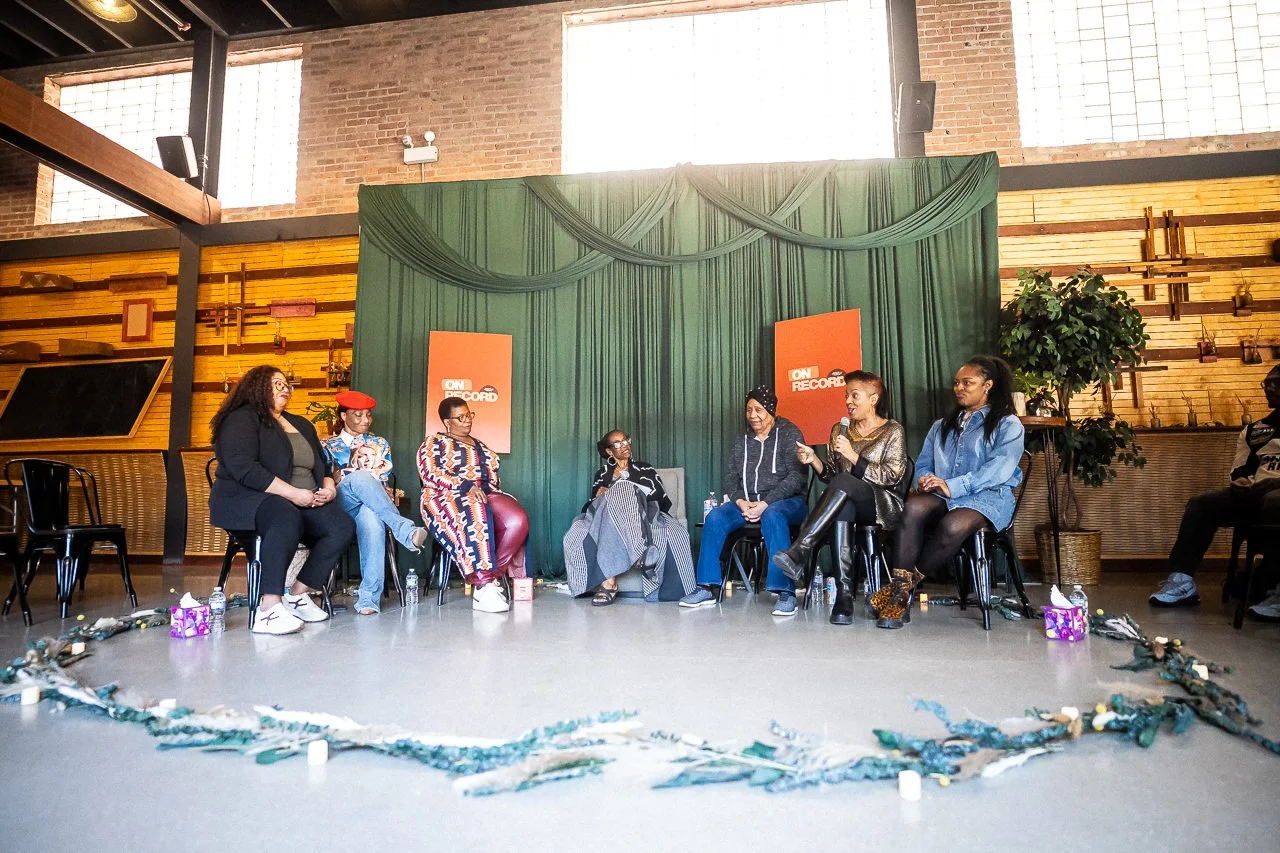
What this was
Six women who have been running American theater with not nearly enough visibility for their contributions or talent for a combined almost two hundred years sat for two hours and put the network on the record. They named the silent infrastructure they have been holding. They named the generational erasure the field accomplished while looking the other way. They named the discipline that kept them building anyway. They named what they need to keep going.
The field has been calling them emerging. They have been here.
They are from the 1900's.
The record is open. The archive is at HowlRound. The budget is on the table. The question is whether the field is going to listen this time, or whether we are going to make Carmen cry again in another twenty years because we asked the same women to fill the same cup we still refuse to fill ourselves.