When was the last time you left a professional gathering full?
Not inspired. Not networked. Full. Like somebody fed you something you didn't know you were starving for.
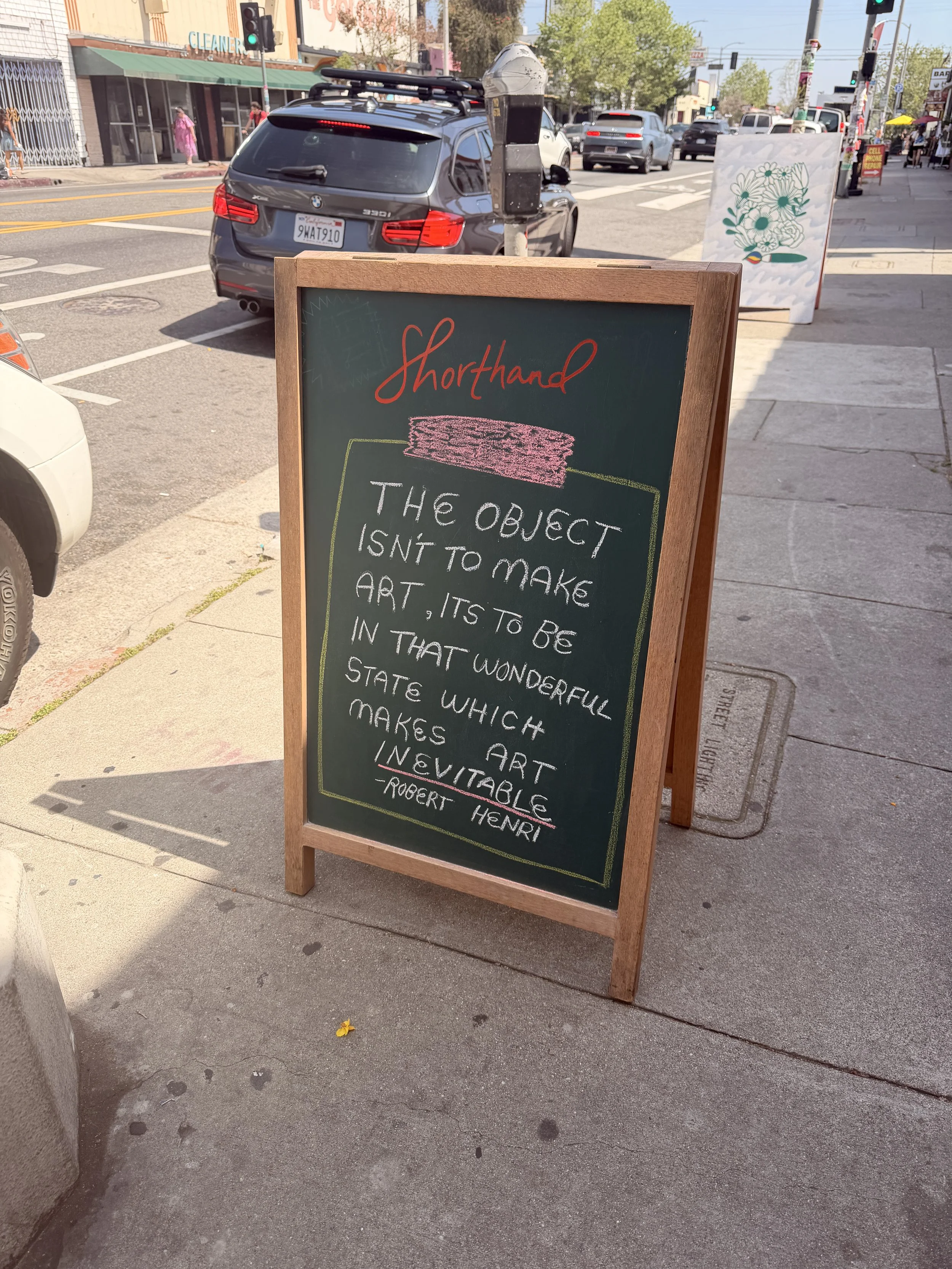
We say relationship is the resource. We believe that. But if that's true, then we have to build the connection points that actually nourish it. That's what Ground Floor is. A new series we piloted during NETWeek Chicago, where practitioners share what they know with each other in small, honest rooms. A storefront. A few people. Real questions. No stage.

We started the morning with a Federation Breakfast, co-op leaders and worker rights organizers sharing what they're building. By the afternoon, we were in Ground Floor. Three leaders shared. The rest of us asked questions, pushed back, reflected. Tyrone Phillips from Definition Theater walked in mid-session and said something that captured the whole energy of the afternoon: "The art of taking care of ensemble, man, you got my heart."
That's what the room felt like.
Miguel, Executive Director of Albany Park Theater Project, shared how his company builds community with young people for four to six years before a show ever comes out of it. "We actually build community first and then shows come out of that. That's always the way that we do our work." He talked about working in rounds: testing ideas with audiences, gathering feedback, going back in, testing again. Not waiting until something is finished to share it. "Make something, show it. Fail quickly." His show Port of Entry grew a 4,000-person waitlist out of that process. But the question he's living in now is bigger than any single production: how do we make sure the people whose stories we're telling actually have access to the rooms where those stories are shared?
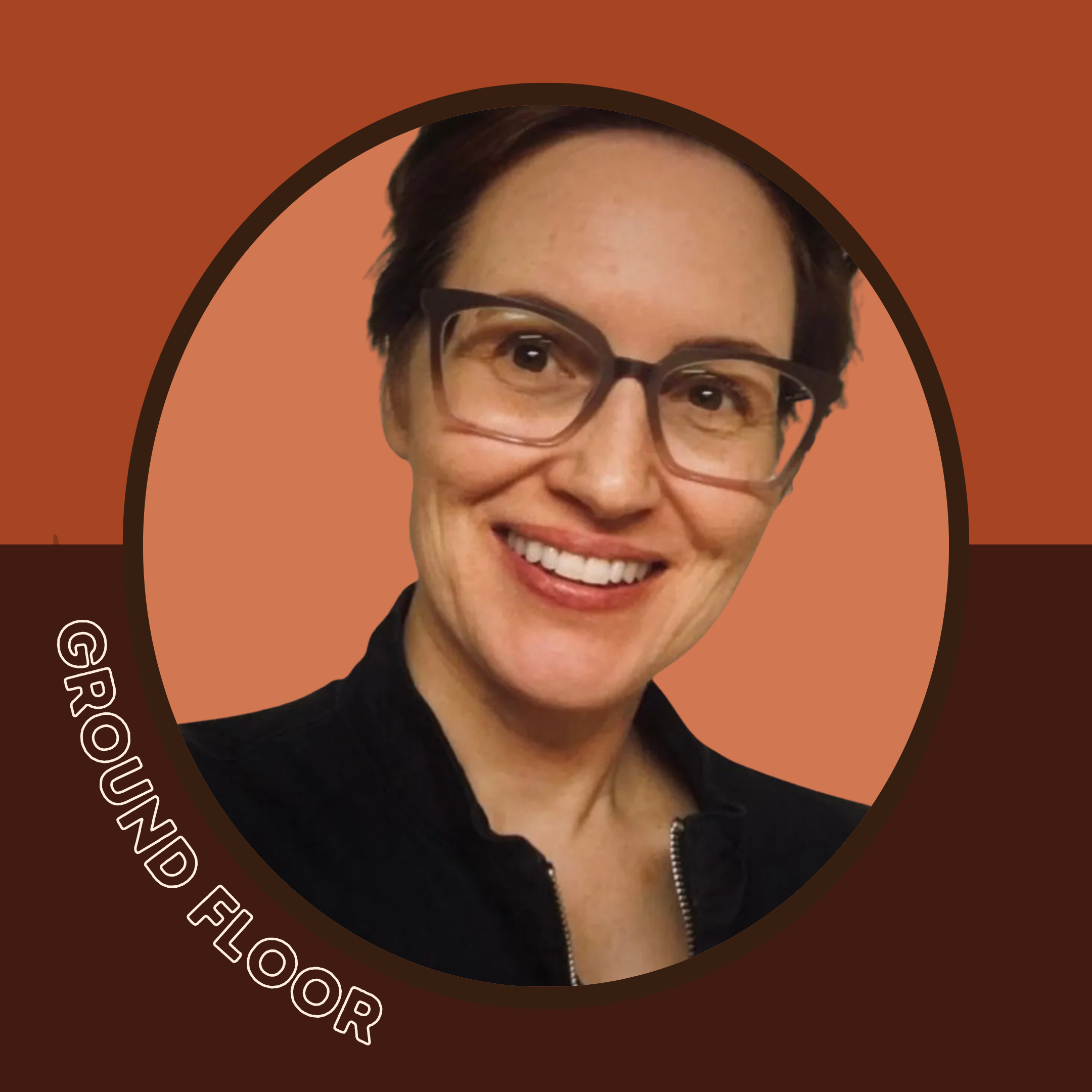
Megan Carney, Artistic Director of About Face Theatre, walked us through 31 years of queer storytelling and eight years of her own leadership inside an organization that chose to transform. She talked about reinterpretation as an artist skill applied to organizations: "How do you take a mission that's been baked in and people think they know what it is, but reinterpret it?" About Face started with values and let those values reshape everything, from pay equity to programming to how the board understands success. They built Re/Generation Studio, a low-stakes space where artists come to try things, dust off ideas, be with each other. A town hall for emerging directors surfaced a gap nobody was tracking: directing opportunities are disappearing because companies are closing and programs are shutting down. Two companies stepped forward to partner on building something new. That's what happens when you create space for people to say what they actually need.
And then SK Kerastes told us what it means to let go.
SK led a 50-year-old arts space through crisis, tried everything to keep it alive, and eventually helped the board make the decision to sunset. "Not only was I in the house on fire, I was also on fire." They talked about the weight of singular leadership, how nonprofit culture teaches us that if we just push a little harder, everything will be OK. How that's a lie. How their body knew the truth before the spreadsheets confirmed it.
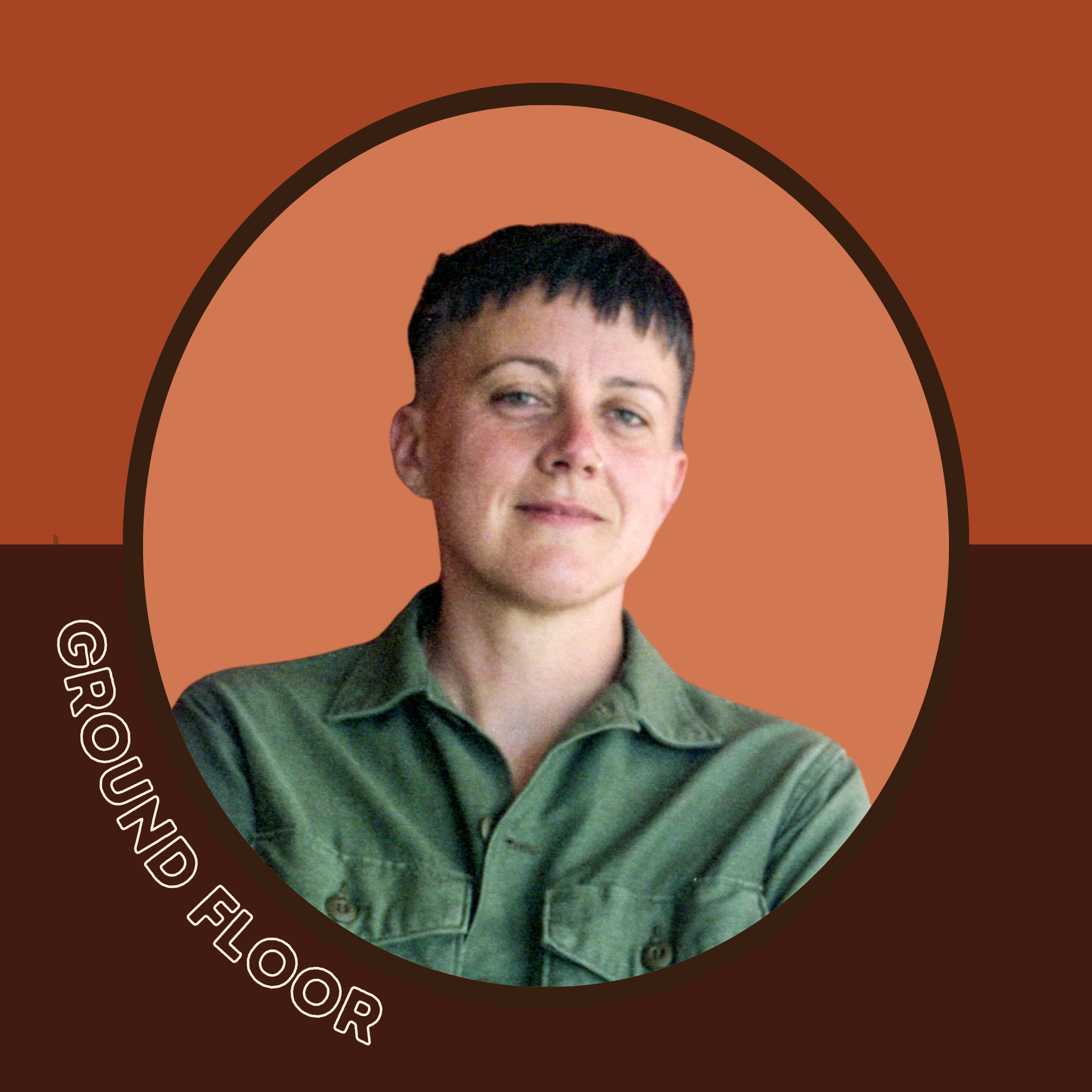
And then the part that cracked the room open: once the decision to close was made, everything unlocked. "Suddenly I had capacity. Suddenly I had access to my intuition. We just knew what to do next." They made 250 personal phone calls across the organization's 50-year history. They held a performance marathon: 60 acts, 8am to midnight, founders speaking, people crying and dancing and eating together. They asked for closing funds and raised enough to pay everyone's severance. SK called it what it was: "The thing we're scared of is sometimes exactly the thing that needs to happen in order for things to transform."
Someone in the room said, "I'm leaving so fucking full."
That's the data. That is the evidence that this works. Leaders in this field are carrying so much. The daily emergencies, the funding cliffs, the board meetings, the "how do we keep the lights on" conversations that eat every hour that could have been spent thinking, dreaming, building with each other. We have so few spaces where the only purpose is to be honest about what we're learning and to let that honesty feed someone else.
SK offered a definition of trust they'd been carrying: "A confident relationship with the unknown." And then this distinction between intuition and anxiety: intuition feels calm and asks you to stretch. Anxiety is contraction, panic, reactivity. I keep thinking about how many of us are making decisions from anxiety and calling it leadership.
This is why NET builds these rooms. This is why Ground Floor exists. Connection feeds practitioners and leaders in ways that reports and panels and convenings simply do not. And we need to be fed so much more than we're allowing ourselves to be.
A full NETWeek Chicago recap is coming next week. But I wanted to start here, with Ground Floor, because it showed me something I needed to see: the knowledge is already in our community. The medicine is already here. We just have to keep making the rooms.
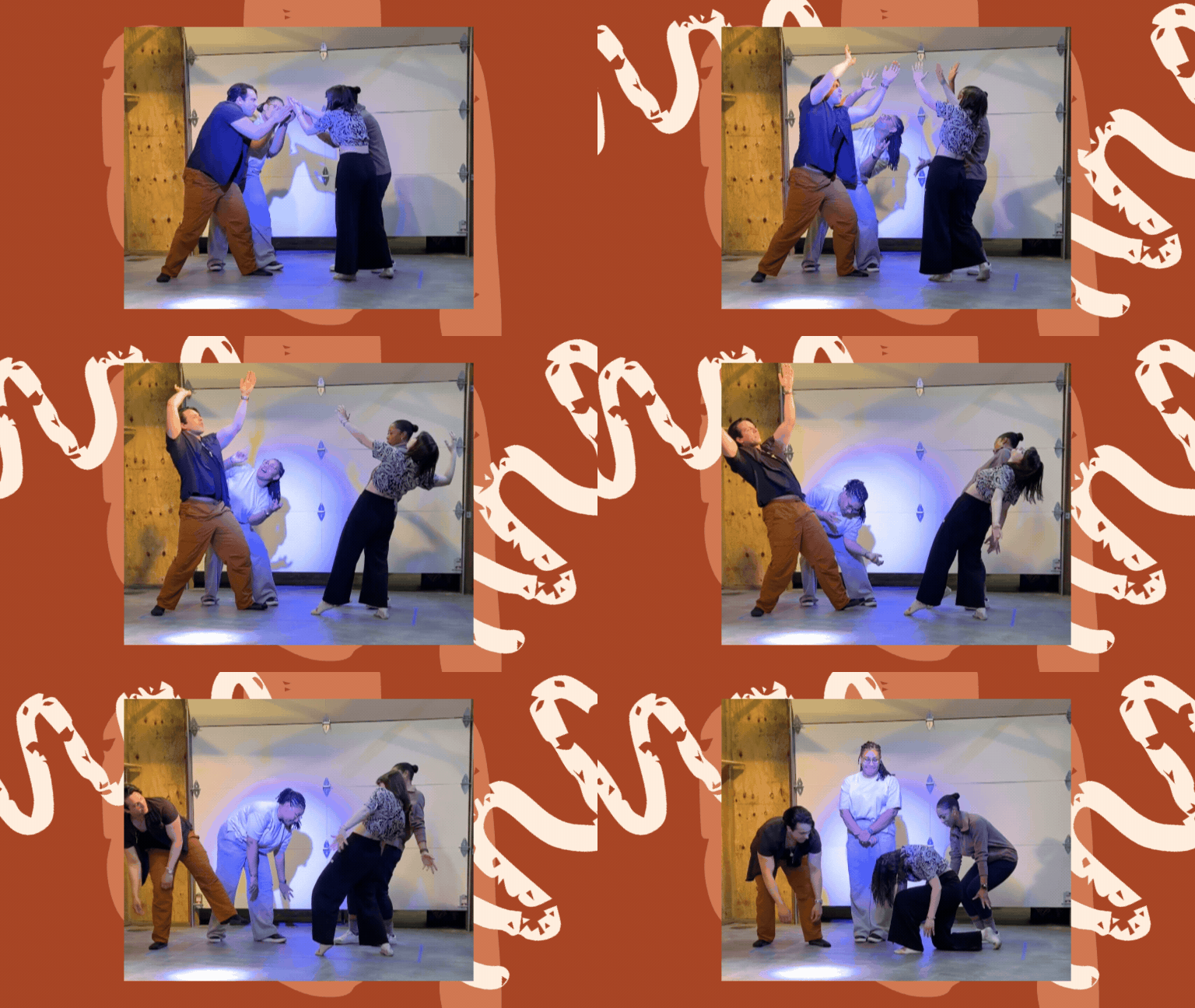
"Beautiful things happen when you go slow, when you let go, when you regenerate."
That was SK. I believe them.
In the practice of us,
Alex